Warehouse Automation vs. Manual Operations: Cost and ROI Comparison
Warehouse operations sit at the core of modern supply chains. As order volumes grow, delivery expectations shorten, and labor markets tighten, businesses face a critical decision: continue with manual warehouse operations or invest in warehouse automation. While automation promises speed and efficiency, it also requires significant upfront investment. This article presents a clear, factual comparison of costs and return on investment (ROI) between warehouse automation and manual operations, enabling decision-makers to evaluate the most suitable approach for their business.
Understanding Manual Warehouse Operations
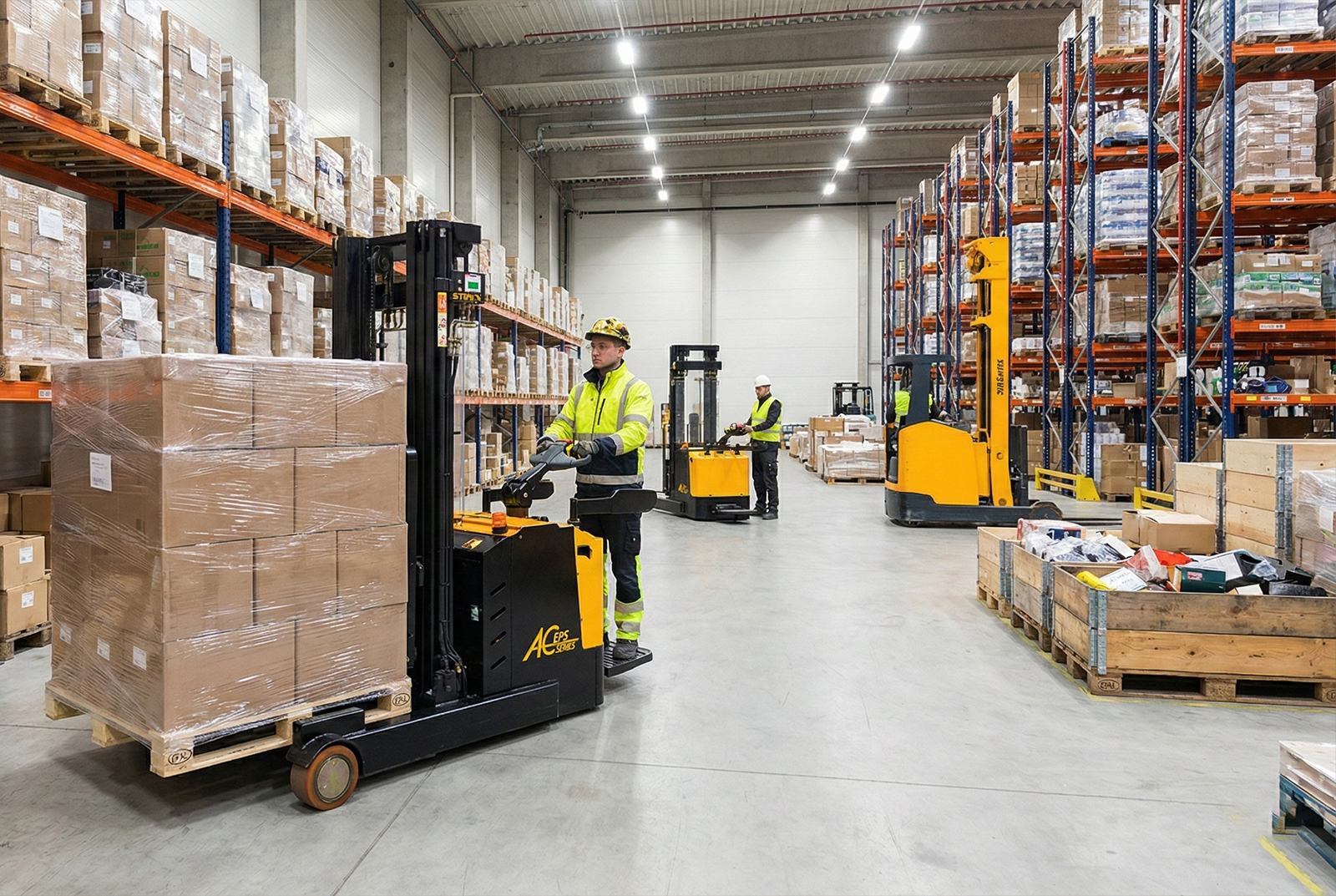
Manual warehouse operations rely primarily on human labor for tasks such as picking, packing, sorting, loading, and inventory management. Equipment like forklifts, pallet jacks, and shelving systems may be used, but core workflows depend on people rather than automated systems.
Cost Structure of Manual Operations
The main cost components of manual warehousing include:
- Labor wages and benefits
- Recruitment and training expenses
- Overtime and seasonal labor costs
- Human error-related costs, such as mispicks, returns, and rework
- Workplace safety costs, including insurance and injury-related downtime
While manual operations usually require lower initial capital investment, their ongoing operational expenses tend to increase over time. Labor costs typically rise annually, and scaling operations often means hiring more staff rather than improving efficiency per worker.
ROI Characteristics of Manual Warehouses
Return on investment in manual warehouses is generally slower and more limited. Productivity improvements depend heavily on workforce availability, training quality, and management oversight. Although manual operations can be flexible in the short term, long-term ROI may be constrained by labor shortages, higher turnover rates, and reduced consistency during peak demand periods.
What Is Warehouse Automation?
Warehouse automation involves using technology to perform or assist with warehouse tasks. This can range from basic automation, such as conveyor systems and barcode scanning, to more advanced solutions like automated storage and retrieval systems (AS/RS), robotics, and warehouse management software integrations.
Automation does not necessarily eliminate human labor; instead, it reduces dependency on repetitive manual tasks while reallocating workers to supervision, exception handling, and value-added activities.
Cost Comparison: Automation vs. Manual Operations (Upfront Investment)
Warehouse automation requires a higher initial capital investment. Costs may include:
- Automated equipment and machinery
- Software systems and integration
- Facility modifications
- Implementation and testing
Manual warehouses usually involve lower startup costs focused on space, racking, and labor.
Operating Costs Over Time
Automated warehouses experience more predictable and stable operating costs. Automation reduces labor dependency and minimizes absenteeism, turnover, and overtime risks.
Manual warehouses face ongoing cost variability. Labor expenses rise over time and inefficiencies compound as order volumes increase.
Productivity and Accuracy Impact on ROI
Automation improves throughput consistency and accuracy. Fewer errors reduce returns, service costs, and inventory mismatches.
Manual operations depend on human performance, which varies by shift, experience, and fatigue, directly impacting ROI.
Scalability and Growth Considerations
- Automated warehouses scale by increasing system capacity without linear labor growth.
- Manual warehouses scale mainly by hiring more workers.
Risk and Flexibility Analysis
Manual operations offer short-term flexibility. Automation provides long-term stability when demand is consistent.
Measuring ROI in Real Terms
- Cost per order
- Order accuracy
- Inventory visibility
- Throughput consistency
- Labor dependency reduction
Which Approach Delivers Better ROI?
Manual operations suit small or short-term facilities. Automation delivers stronger ROI for medium to large operations. Hybrid models often work best.
Final Thoughts
Automation offers stronger long-term ROI through efficiency, accuracy, and scalability. Manual operations work for limited use cases but become costly at scale.